
Coverage line
Professional Liability (Tech E&O)
Your product messes up and costs a customer money. This pays what you owe them, and the legal defense.
Built for moments like these.
Your perception model mislabels pallets for weeks. The customer bills you for the mis-shipments.
Covered: Your tech cost them money
A missed spec in your integration corrupts the client's order data. They demand damages.
Covered: An error in your work
The classic mix-up
A hacker breaches your servers and leaks customer data.
Not this policy
→ Cyber Liability answers this oneEasy to confuse.
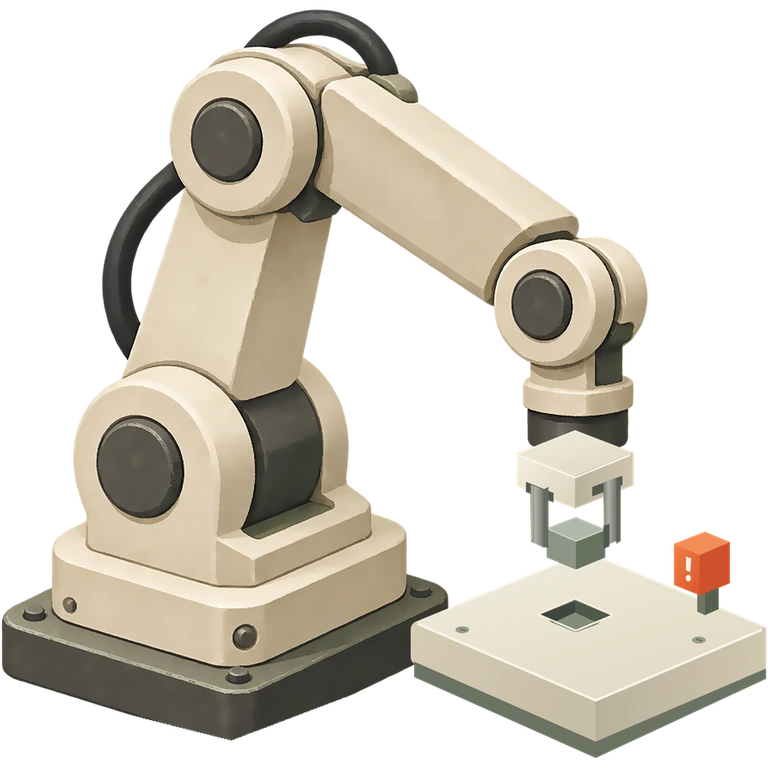
Professional Liability (Tech E&O)
Money lost.
This page

When to buy
Your first customer contract; enterprise procurement often requires it to sign.
Typical ask: $1M–$5M per claim.
Who requires it
Enterprise customers, in procurement, before they sign.
How hard to get
Hardest to get right
Some insurers are quietly excluding AI. We read every form before it binds.
Common questions
Does tech E&O cover losses caused by an AI model's output?
This is the line meant to respond when your technology's work causes a customer a financial loss, and a model's output is your technology's work. Whether a specific policy responds depends on its wording. Insurers began adopting AI exclusions across 2026, which is why every form gets read before anything binds.
What's the difference between tech E&O and general liability?
General liability answers injuries and damage to physical property. Tech E&O answers money a customer lost because your product or service failed. A software failure claim lands on E&O rather than on general liability.
Keep reading
Describes a line of coverage in general terms. Not an offer of insurance.